|
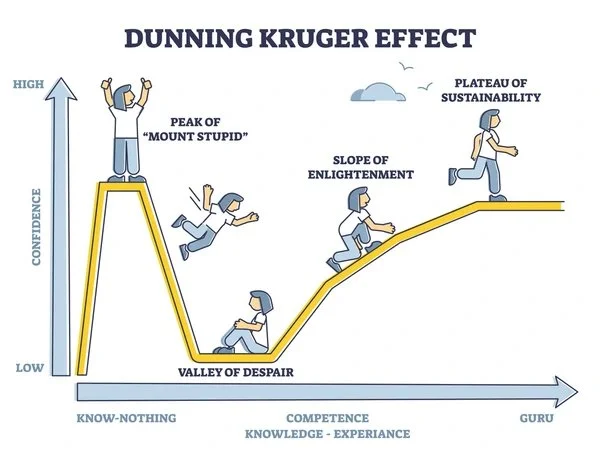
Hey Subscriber First Name Last week we were exploring natural rhythms and how to remember the time of the wild. I’ve been sitting with that this week and noticing how it applies not only to the seasons around us but to the timelines of our own lives. I’m a big believer in the power of perspective. When we’re caught in the midst of things, our vision narrows to what’s right in front of us. The problem we’re worrying about today can feel enormous and yet, in a few weeks or months, it may barely register in our memory. That’s why coaching, therapy and reflective practices like meditation can be so powerful. They allow us to step back, regulate our nervous systems and access what some people call the ‘wise mind’. It isn’t just spiritual language either. In my corporate days, people talked about taking ‘the helicopter view’ rather than getting ‘lost in the weeds’. It’s different vocabulary but the same instinct to create space, shift perspective and see the whole. That feels more relevant now than ever. We have access to more information than any generation before us. But how much of it is actually useful? And how much of it is narrowing our worldview? We talk about echo chambers and algorithms controlling what we see. And yes, systems influence us. But when we say we’re completely controlled, we hand over a huge amount of power. We forget that we can choose to zoom out. I notice something similar in conversations around AI. The rhetoric is sometimes becoming almost evangelical as though you are either a true believer in the technology or a luddite who simply doesn’t get it. A false binary and binaries rarely hold the truth. History (and nature) show us that integration takes time. We discover something new, we experiment, we overuse it a little and then slowly, wisdom forms around how to hold it well. It’s what a baby does. They touch everything, put things in their mouth and learn through direct experience. But it’s a risky approach and why we wouldn’t leave sharp objects lying around in a playpen. They’re not wise enough to know the risks. Maybe that’s where we are. Technology accelerating faster than our moral frameworks and shared agreements can keep up. The speed itself creates division that serves no one. Which leads me to think about the Dunning-Kruger effect? Have you heard about it before?
|