|
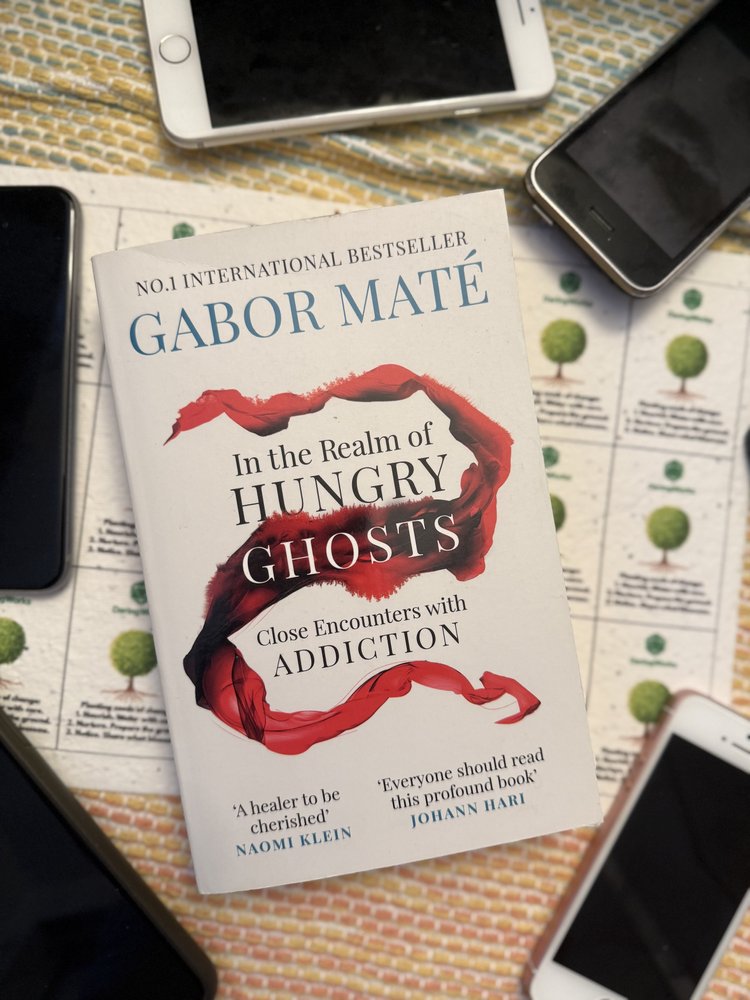
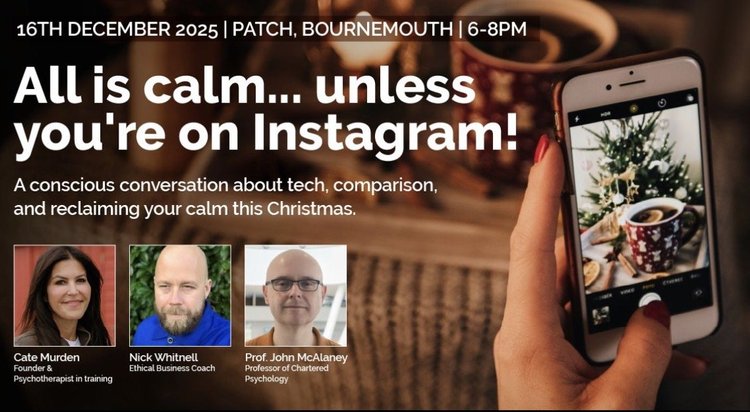
Hey Subscriber First Name I really hope you’ve been enjoying our explorations of our inner and outer worlds. As you’ll remember, last week we explored the idea of our roots being the values that sustain us beneath the surface. And that the more we know ourselves, the more we can find ways to belong both inwardly and outwardly, within teams, communities and the wider world. This week, the thread takes us somewhere different, into the territory of what happens when we lose our way. On many metrics, the world feels heavy right now. Headlines remind us daily of division, urgency and uncertainty. It’s no wonder so many of us feel overwhelmed, worried and searching for answers. And yet, I believe deeply that humans are innately loving, compassionate and curious. These qualities are our natural state. But when we forget them, when systems reward urgency over presence and status over care, we experience conflict. We sense the dissonance between the optimism we hold for life and the reality we see reflected back in the media and our ‘leaders’. It can leave us endlessly doom-scrolling in an attempt to find a solution to the insanity we can see unfolding in front of us. But the more we search, the more we get trapped in a loop of dissatisfaction. The answer won’t be found on a phone screen, the answer is already inside us, we just need to look differently. This feels especially relevant as I prepare for an event with Cate Murden and Bournemouth University Psychology Professor John McAlaney. Together, we’ll explore our relationship with phones and social media through a compassionate lens. Too often, conversations about addiction focus on symptoms and judgment. But the deeper question for me is based on the profound wisdom of Dr Gabor Maté who reminds us - “We don’t ask why the addiction, we ask why the pain.” In his book ‘In the Realm of Hungry Ghosts’, Gabor draws on a Buddhist metaphor - beings with insatiable appetites, forever grasping but never satisfied. He uses this idea to describe how pain and disconnection drive us into compulsions. Addiction, he argues, is not about weakness or moral failure, but about unmet needs and unresolved wounds.
|