|
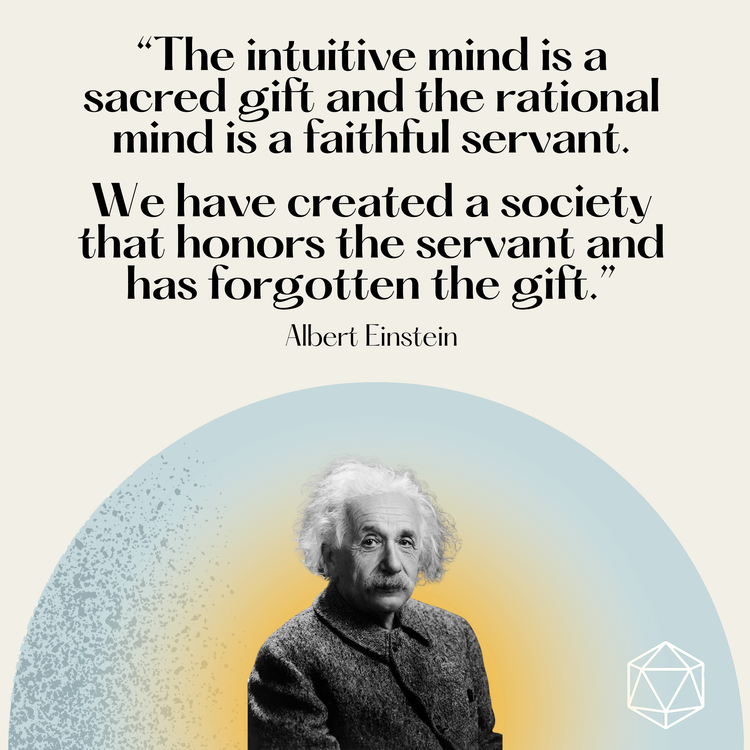
Hey Subscriber First Name I’m glad to be back in our usual rhythm this week and I’m here in your inbox on the usual day. For anyone who missed it, the pause came after my eldest son unfortunately had a seizure and we ended up in A&E. I’m grateful he has recovered well from the concussion and he will have an EEG soon so we can understand whether epilepsy might be part of the picture. It feels like we’ve been moving through choppy waters and the tide is beginning to settle. The EEG (electroencephalogram) process itself has always fascinated me. It’s a bunch of electrodes placed in a skull cap to listen to the electricity of the brain to catch the signals beneath the surface. Interestingly, I’ve come across EEGs twice before in entirely different settings. The first was in my corporate marketing days. We would spend tens of millions on advertising and needed to know how people truly responded to our work. Traditional research was always slippery as people say what they think they should say. Focus groups drift into group-think while surveys can bend under the weight of the questions asked. I once presented a new marketing campaign to a Board. Unbeknownst to me, two different research teams had commissioned studies with one feeling supportive and one feeling combative. So while both came from experienced researchers and both were technically ‘correct’, both told completely different stories. Corporate politics and bias had shaped the truth. So at this point, we turned to neuroscience as we wanted something unfiltered. We worked with neuroscientists to test our TV adverts. Our brand was strong, consistent and creeping into culture (kids were even making parody videos on YouTube). The music was catchy but we worried it was becoming annoying. When you spend up to £15 million a year on TV, that can definitely happen. So we placed these strange little caps on people and watched their brains respond. You could see the exact moments something landed and it was mesmerising. The result was that we kept the same creative DNA for years. Despite being outspent by competitors, we grew the fastest, were the most loved and were eventually bought for over £1 billion. It might surprise you that despite all of this research and data, much of our success was built on gut instinct. Much of the data was post-rationalised to keep the risk and finance people happy. In the end, we were using fancy science to tell us what we already knew. It was validating that we needed to trust our gut. Even the science agrees as EEG data can increasingly measure the bidirectional ‘brain-gut axis’ revealing that gut signals, directly influence our brain activity. I love this quote from Einstein to summarise that we can be in danger of ignoring our instincts and become increasingly rational. I don’t think AI has an intuitive mind or in other words, the gift…
|