|
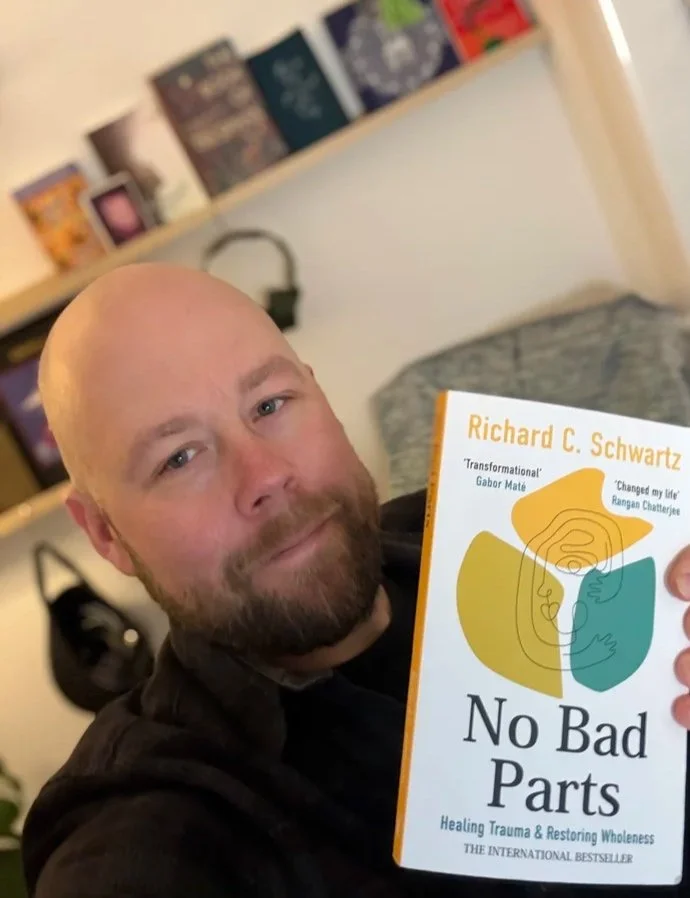
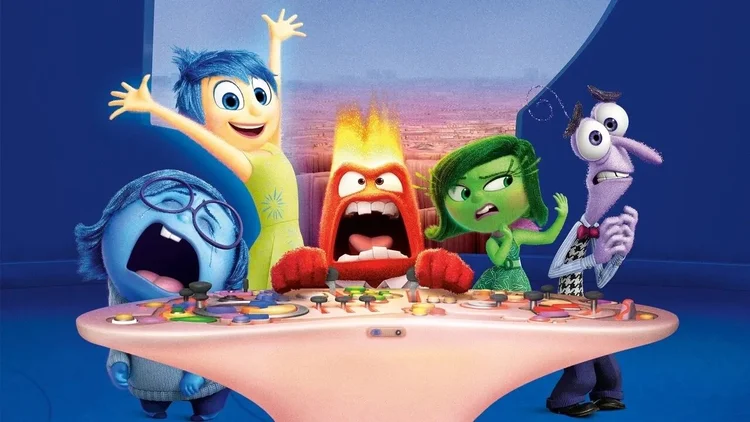
Hey Subscriber First Name Many of us are now slowing down or stepping away from work for the festive break. I hope you can too. This time of year often invites reflection on what’s been and what we hope for next. I may lean more into that next week but today something more immediate feels worth sharing. For the first time ever, I cancelled an event. Last week we were due to host the third of The Natural Network gatherings, themed around Wintering. So it feels fitting that winter weather scuppered our plans. These gatherings are designed around the natural rhythms of nature, gentle reminders that we are nature and that forcing productivity without rest eventually leads to burnout. They’re invitations to slow down, not push through. When my co-host Kate and I saw the storm warning for Thursday, concern crept in. Our original back-up (a community polytunnel), had already been destroyed in a previous storm. Kate had since built an extension to a covered structure, so shelter was possible but not in 55mph winds, sideways rain and flooded country roads. We explored alternative venues, changing the date and every option in between. None of it felt right. We knew cancelling was the right decision but part of us didn’t want to accept it. And that’s what I want to explore with you this week: parts. We often say things like “part of me wants to do this” or “I’m torn”. That language is more literal than we realise. We are made up of many different parts, each with their own perspectives, fears and intentions. This sits at the heart of ‘Internal Family Systems’ (IFS), a powerful and compassionate model developed by Dr Richard C. Schwartz. It’s been profoundly influential in my own healing journey and it shapes how I work in coaching and group spaces. IFS suggests that we all have parts that learned how to help us survive. Some are more visible, others we push away. When we don’t recognise them, they can end up running the show without us realising. If you’re curious to explore this more deeply, I can’t recommend Schwartz’s book No Bad Parts highly enough - he explains it far better than I can in a newsletter although I’ll give it a go below…
|